I absolutely love this poster advertising Alan Doyle Live At The Edison on CMT.
The Canadian broadcast of the special was on last night. The concert was filmed several weeks ago in front of a live audience. Many of the Great Big Sea fans travelled from all over North America to attend.
The Canadian fans shared their thoughts and feelings via social media and from all reports they loved it.
For the rest of us who do not live in Canada, we will have to wait until we are either in Canada or CMT decides to legally distribute it via YouTube or another means. Hope the wait isn't too long.
Alan Doyle from his offical Twitter account.
Alan Doyle@alanthomasdoyle Me & The Beautiful Gypsies are on CMT tomorrow, Thurs, July 30th, 8:30 PM EST. Thanks for RTs and spreading the word. 29 July 2015
Alan Doyle @ Alanthomasdoyle Thks for checking out Live at The Edison on CMT Canada.The Beautiful Gypsies are amazing.Grateful to share the stage with them every night. 30 July 2015
(no copyright infringement intended on the poster)
Friday, 31 July 2015
Thursday, 16 July 2015
Alan Doyle (Canvendish Beach Music Festival review 2015)...
Fans came from all around the world (including Australia) to Prince Edward Island for the Cavendish Beach Music Festival to listen to some great music on Prince Edward Island in Canada. The musicians, artists and fans who attended posted some great pictures and stories from the event on social media. Sounds like everyone had an absolutely fabulous time.
The following review was written by Mitch MacDonald and included a great collection of photographs of the musicians and artists and especially the fans who attended. The review was circulated on social media and being a collector of all things Great Big Sea and their fans I just wanted to keep a copy here for my own interest. It was very much appreciated, in particular for those of us who could not be there. Thank you Mitch.
Of particular interest to me was when Keith Urban sang a duet with a local teenager. A video was circulated on YouTube soon afterwards by CBC news. What a thrill it must have been to be up on stage with Keith Urban in front of her family and home crowd. I have circulated an article "P.E.I teen will sing duet with country star Keith Urban" by Angela Walker from CBC News on my Google + page and an article with the video attached.
I have also circulated the review "Cavendish Beach Music Festival goes off without a hitch by Mitch MacDonald" from The Guardian on Prince Edward Island, Canada on my Google + page and some videos for those interested.
Also see "Cavendish goes Urban" by Todd MacLean published on July 17, 2015 in the same newspaper.
CAVENDISH - A celebration featuring some of country music's biggest stars set against a scenic backdrop of P.E.I.'s north shore went off without a hitch this weekend.
While the dust is still settling on the site of the seventh annual Cavendish Beach Music Festival, it's clear the three-day extravaganza didn't disappoint the legion of country music fans that flocked to the venue.
Festival president Jeff Squires said a combination of cooperative weather and fantastic crowds led to a beautiful weekend for the festival.
"You see the excitement on P.E.I. over the past week and going into next week. It's just a great opportunity to bring people into P.E.I. and to showcase our wonderful province," he said.
What followed was a weekend featuring some of country music's most established acts, as well as promising up-and-comers and ambitious local musicians on three separate stages.
Headliners Eric Church, Keith Urban and Brantley Gilbert, as well as Rod Stewart's concert last Thursday, brought in thousands to campsites, restaurants and other attractions in the area.
While there was no final number for attendance, Squires said every night of the festival saw consistently large crowds.
"In the earlier years a lot of people would come for one night, they'd pick and choose," said Squires. "Now they're coming for all three days."
The long-running festival has also affected areas further out than Cavendish, with most campsites booked up months before the hoedown.
For Nova Scotia resident David Lade and his group of friends, renting a cottage in Stanhope and attending the festival was a summer highlight.
Donned in cowboy hats, Lade said the group wanted to come to the festival after attending last year's event.
"Even with the storm (that cancelled one of last year's concerts), we wanted to come back," said Lade. "It's well-run, well-organized, the acts are great and the people here are great."
Great Big Sea frontman and solo performer Alan Doyle noted during his performance that the festival had many visitors from outside of Canada as well.
"It's starting to feel like a kitchen party now," said Doyle. "We've got people here from America, from Australia for god sakes... are we gonna show them how it's done or what?"
The festival is now even a draw amongst non-country music listeners.
That was the case for Charlottetown couple Larry Hegarty and Judy Fraser.
"I'm not a big fan (of country music), I like it though," said Hegarty. ""It's just a great show and great event."
Fraser agreed.
"You get to meet new people and see a lot of people," she said. "It's a great place and some of the performances were terrific."
The following review was written by Mitch MacDonald and included a great collection of photographs of the musicians and artists and especially the fans who attended. The review was circulated on social media and being a collector of all things Great Big Sea and their fans I just wanted to keep a copy here for my own interest. It was very much appreciated, in particular for those of us who could not be there. Thank you Mitch.
Of particular interest to me was when Keith Urban sang a duet with a local teenager. A video was circulated on YouTube soon afterwards by CBC news. What a thrill it must have been to be up on stage with Keith Urban in front of her family and home crowd. I have circulated an article "P.E.I teen will sing duet with country star Keith Urban" by Angela Walker from CBC News on my Google + page and an article with the video attached.
I have also circulated the review "Cavendish Beach Music Festival goes off without a hitch by Mitch MacDonald" from The Guardian on Prince Edward Island, Canada on my Google + page and some videos for those interested.
Also see "Cavendish goes Urban" by Todd MacLean published on July 17, 2015 in the same newspaper.
Cavendish Beach Music Festival goes off without a hitch by Mitch MacDonald Published July 13, 2015
CAVENDISH - A celebration featuring some of country music's biggest stars set against a scenic backdrop of P.E.I.'s north shore went off without a hitch this weekend.
While the dust is still settling on the site of the seventh annual Cavendish Beach Music Festival, it's clear the three-day extravaganza didn't disappoint the legion of country music fans that flocked to the venue.
Festival president Jeff Squires said a combination of cooperative weather and fantastic crowds led to a beautiful weekend for the festival.
"You see the excitement on P.E.I. over the past week and going into next week. It's just a great opportunity to bring people into P.E.I. and to showcase our wonderful province," he said.
What followed was a weekend featuring some of country music's most established acts, as well as promising up-and-comers and ambitious local musicians on three separate stages.
Headliners Eric Church, Keith Urban and Brantley Gilbert, as well as Rod Stewart's concert last Thursday, brought in thousands to campsites, restaurants and other attractions in the area.
While there was no final number for attendance, Squires said every night of the festival saw consistently large crowds.
"In the earlier years a lot of people would come for one night, they'd pick and choose," said Squires. "Now they're coming for all three days."
The long-running festival has also affected areas further out than Cavendish, with most campsites booked up months before the hoedown.
For Nova Scotia resident David Lade and his group of friends, renting a cottage in Stanhope and attending the festival was a summer highlight.
Donned in cowboy hats, Lade said the group wanted to come to the festival after attending last year's event.
"Even with the storm (that cancelled one of last year's concerts), we wanted to come back," said Lade. "It's well-run, well-organized, the acts are great and the people here are great."
Great Big Sea frontman and solo performer Alan Doyle noted during his performance that the festival had many visitors from outside of Canada as well.
"It's starting to feel like a kitchen party now," said Doyle. "We've got people here from America, from Australia for god sakes... are we gonna show them how it's done or what?"
The festival is now even a draw amongst non-country music listeners.
That was the case for Charlottetown couple Larry Hegarty and Judy Fraser.
"I'm not a big fan (of country music), I like it though," said Hegarty. ""It's just a great show and great event."
Fraser agreed.
"You get to meet new people and see a lot of people," she said. "It's a great place and some of the performances were terrific."
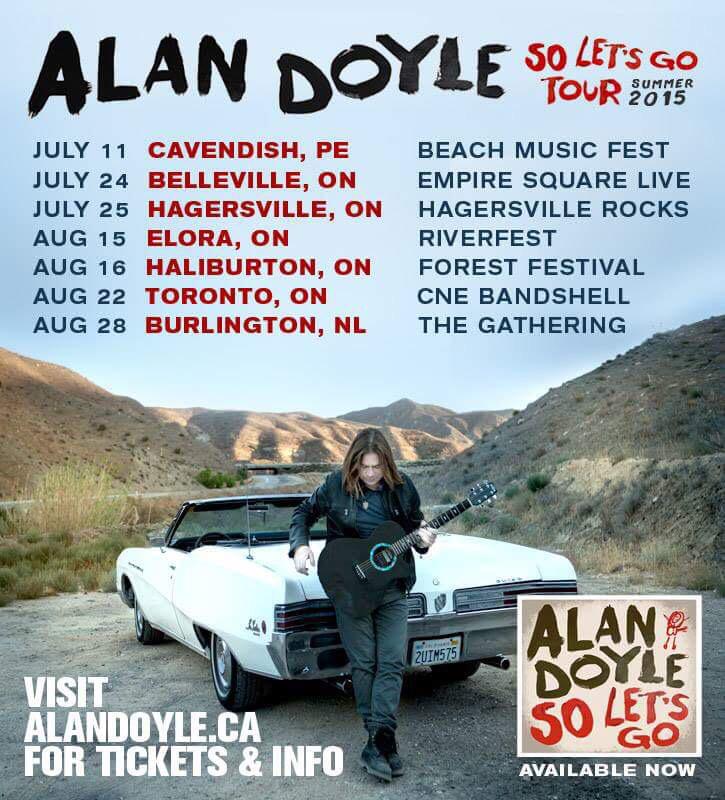
Alan Doyle Tour Posters 2015...
I absolutely love this poster advertising the summer concerts of Alan Doyle and the Beautiful Gypsies.
From Alan Doyle on Twitter...
Alan Doyle @alanthomasdoyle On the Road a bit in the coming weeks with an amazing band The Beautiful Gypsies. All Kitchen Party. All the Time 7 July 2015
(NO COPYRIGHT INFRINGEMENT INTENDED)

From Alan Doyle on Twitter...
Alan Doyle @alanthomasdoyle On the Road a bit in the coming weeks with an amazing band The Beautiful Gypsies. All Kitchen Party. All the Time 7 July 2015
(NO COPYRIGHT INFRINGEMENT INTENDED)

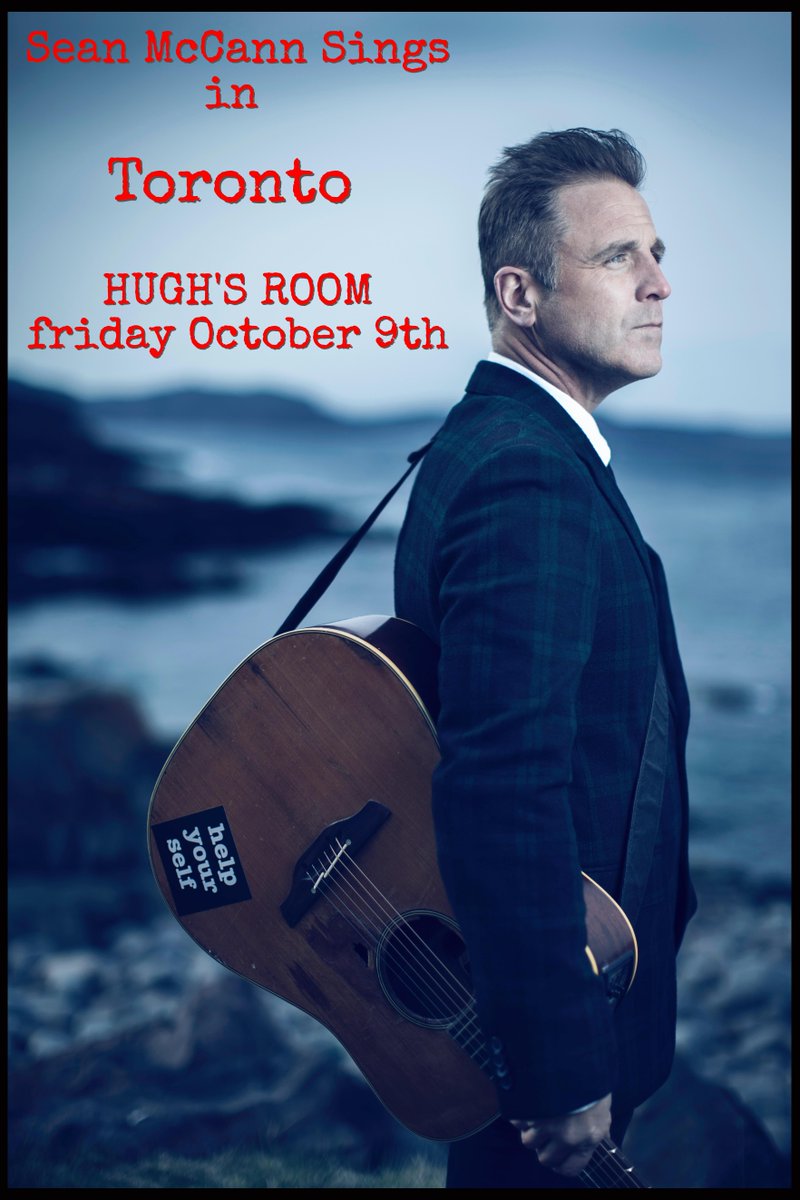
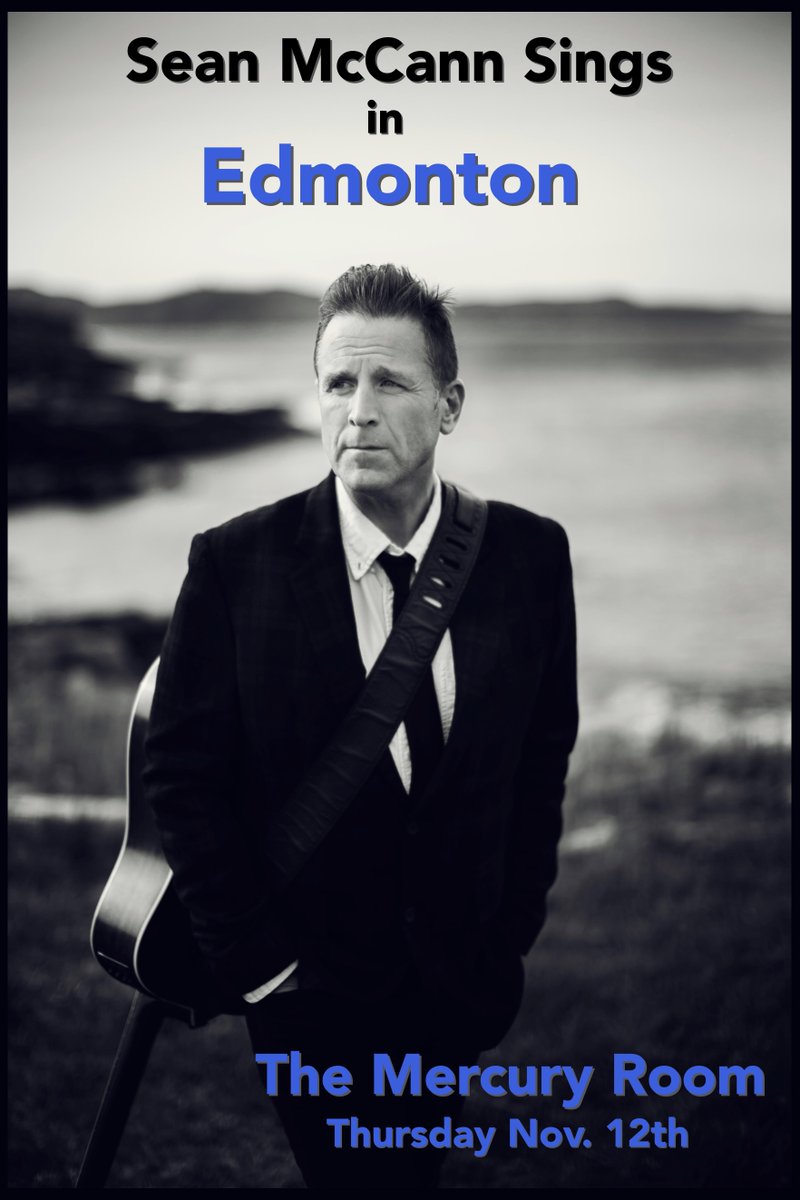
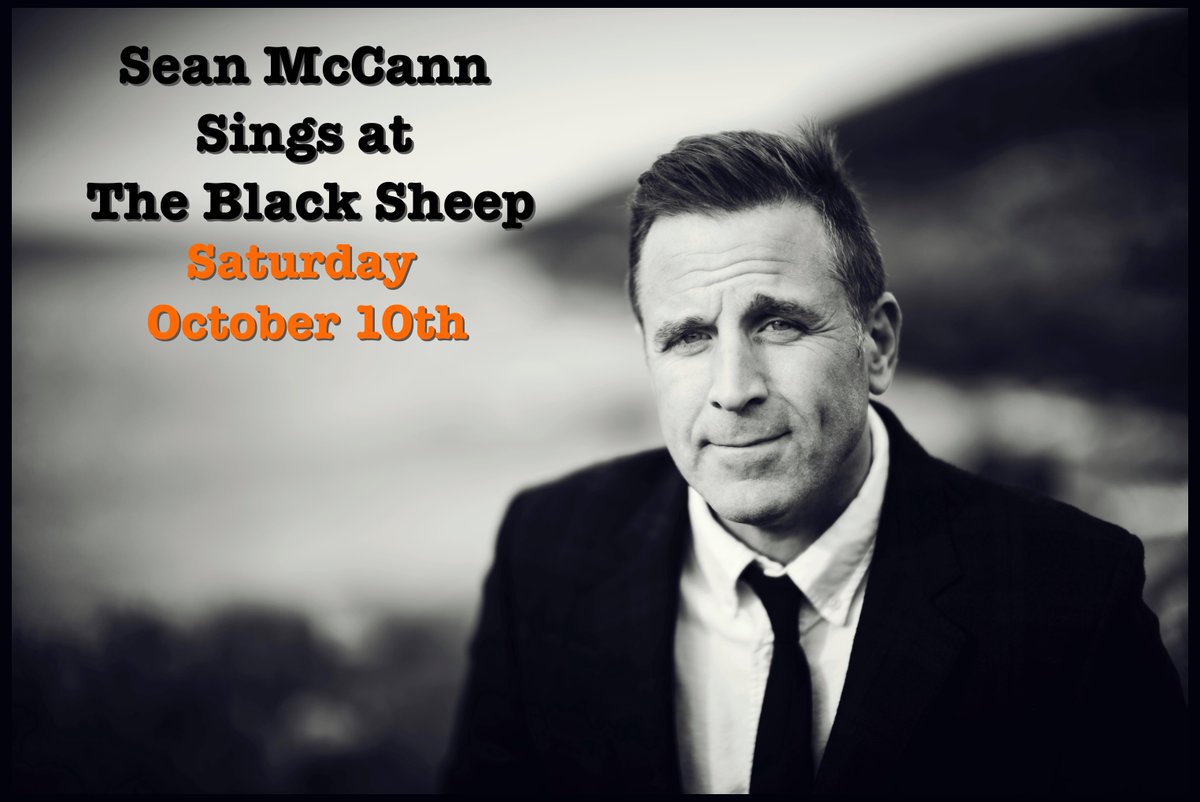
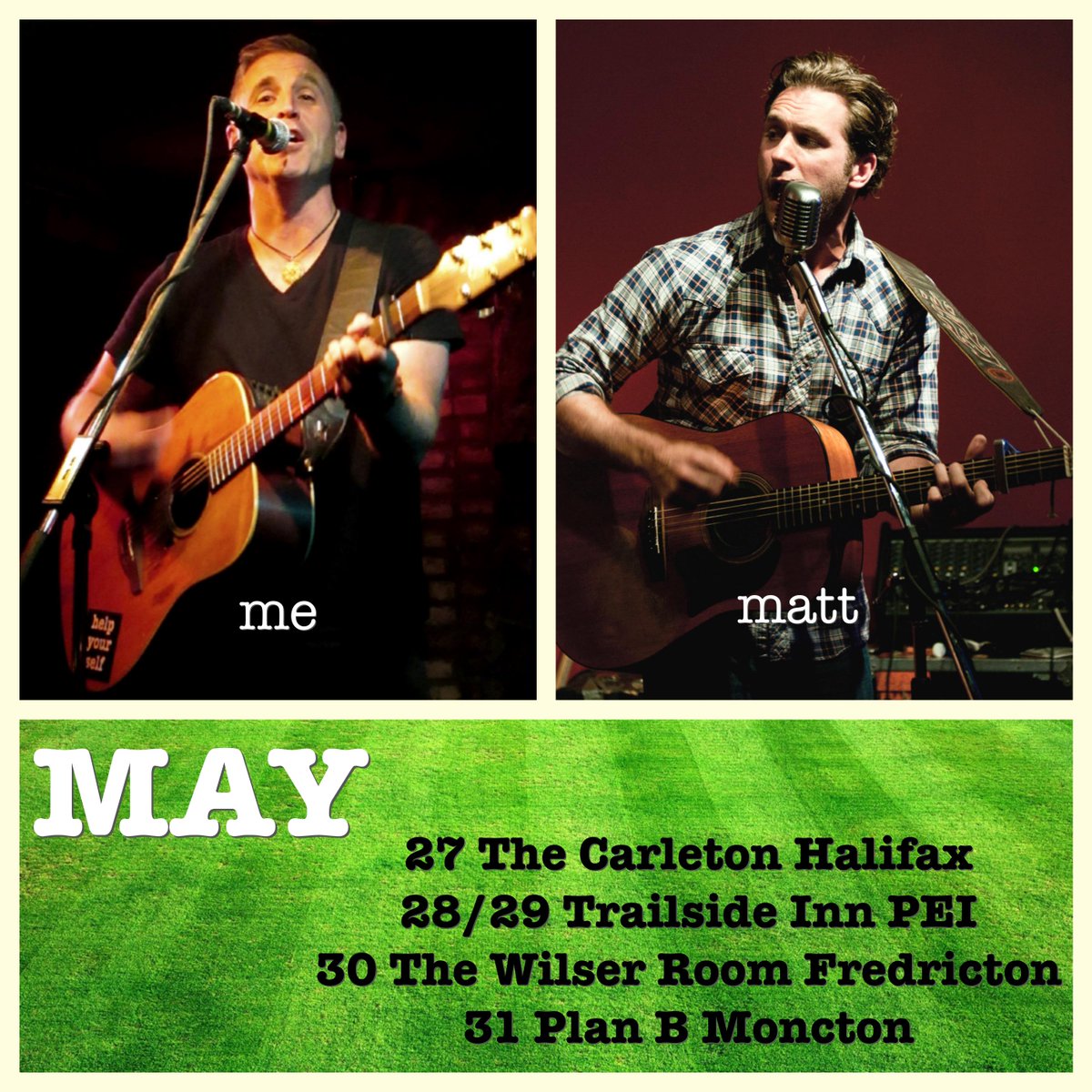
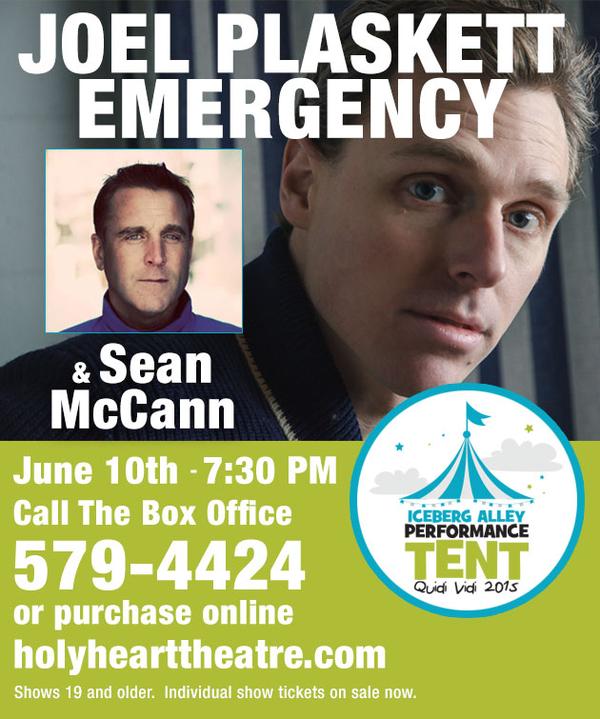
Sean McCann Tour Posters 2015...
Sunday, 5 July 2015
Stanfest Rises Again ... And brings a few surprises | The Chronicle Herald (online sharing)
Last night Alan Doyle appeared at the Stanfest music festival in Nova Scotia. There was a review in a local newspaper The Chronicle Herald.
"Finally! It only took us two year to get here!" bellowed Doyle, who was slated to headline last year's festival. He made up for lost time with a full-throttle blast through songs from his solo albums Boy on Bridge and So Let's Go, as well as GBS favourites When I'm Up and Sea of No Cares."
Reviews like this one in The Chronicle Herald are the reasons why I love professional reviews rather than superfans. They are inclusive of all the musicians and artists that appear and include a great selection of photographs from all. Not just their favourites. I love this.
Here is a link to a review of the Stanfest Festival.
Stanfest rises again ... and brings a few surprises | The Chronicle Herald
“Going Local…”an interview with Alan Doyle.
Alan Doyle and Great Big Sea
have been a great promoter of all things St. John’s and Newfoundland. On social
media Alan Doyle is often asked questions from people wanting to visit and he
has happily shared his local knowledge.
In this month’s copy of the
airline WestJet’s magazine there is an interview where Alan Doyle who shares his
favourite places and regular hangouts.
Many of the places mentioned
in this article I have been lucky enough to visit on my fan pilgrimages to St.
John’s and Newfoundland. I have included a photograph from my most recent trip
I took from The Rooms on a snowy winter’s day looking out over St. John’s, the
harbour and all the way to Signal Hill. The view was spectacular indeed.
I have copied a few of the
comments made in the article here. It has not been copied in full due to
copyright and to the best on my knowledge cannot be shared on social media.
The article “Going Local St.
John’s with Alan Doyle” by Sara Samson is available digitally in the July 2015
issue in the West Jet magazine on the WestJet webpage www.westjetmagazine.com/issues.
Going Local St. John’s with
Alan Doyle by Sara Samson.
Favourite festival…
Favourite live music venue…
Favourite place for a pint…
“It’s a tie between Erin’s
Pub and The Duke of Duckworth” Doyle says noting that The Duke is a popular
happy hour destination with locals.
Favourite place to eat…
“St. John’s has become a food
mecca that has happened so recently the paint is still wet” Doyle says. He
recommends Mallard Cottage in Quidi Vidi Village for its use of local produce,
the refurbishment of one of North America’s oldest wooden structures, and
because “it’s just a really cool, amazingly worldly, local restaurant”.
Fun Rainy Day Activity…
“(Visiting) The Rooms is the
greatest rainy day activity in Canada, because the view from there looks cooler
when the weather is poor” says Doyle of the building that houses the
Newfoundland and Labrador Art Gallery, archives and museum.
Must-do…
Favourite place to shop…
‘O’Brien’s Music Store – the
oldest store in the oldest city in North America. That’s what they claim
anyways. It was the first music store I was ever in my life. They sell primarily traditional instruments.”
Best out-of-town adventure…
Saturday, 4 July 2015
An IGP DVD For Christmas?...Bootlegging, some research and few thoughts (reposted)
Some fans have been stating they would like an Indoor Garden Party DVD for Christmas and circulating the bootlegged recordings mostly from Great Big Sea's most reckless pirate and bootlegger to support their cause on social media.
As readers of my blog know I am not a fan of bootlegging unless it is part of the concert experience by casual and genuine concert goers. And then I only view bootlegs occasionally just to keep in touch with what fans are creating.
As I have said before I do like some bootlegs because of how they are made, from a genuine fan perspective. (The fans don’t have the prime notice me position or the position that enables a fan to count a band member’s nose hairs. They are sitting (or standing) further back, are inclusive of all the band members on the stage and while not free of human body parts, the sound is what I consider to be good).
As I have stated before bootleg videos can be totally dreadful as the quality of recordings varies depending on where the fan is sitting and the type of equipment they are using or it can be totally awesome. As an Internet consumer I don't like wasting my downloading allocation on rubbish.
As I have said before first impressions count when selling anything. I do believe music fans make decisions based on these bootlegged videos whether to buy music or concerts. It certainly doesn't make sense that people would buy products based on inferior sample products.
Whether that ship has sailed or not I don't really know. Russell Crowe's day job is not making music, it is making movies. However, Russell Crowe and his friends are entitled to make a profit on all their music including a DVD.
The research states bootlegging derails projects for musicians and artists. I do believe the endless bootlegging mostly by this Great Big Sea pirate and bootlegger of these concerts have impacted on the reality of them making a profit on a DVD.
I have reposted this post on research about the consequences and advantages of bootlegging. I hope it will convince fans to rethink the consequences of their diet of bootleg videos on the musicians and artists they love.
“The effects of piracy upon the music industry. A case study of bootlegging” by academic Lee Marshall in Media, Culture and Society is an interesting piece of research on bootlegging (as distinct from piracy) in the music industry published in 2004. The article defines the different types of piracy including bootlegging, who consumes bootlegs, the scale of bootlegging and what affects they may have upon the music industry. Although written in 2004 and before the rise of YouTube and other social media sites that distribute sound recordings and videos many of the observations, discussions and arguments made by the author and those he interviewed are still valid today.
The author makes some interesting comments about bootlegging. For example, the author argues that artists don’t lose royalties because the fan bootlegging had bought a ticket to a concert or merchandise. I have made this point before in I believe a ticket to a concert does not include the fan’s right to extras including making bootlegged recordings. The author argues bootlegging does not compete with traditional sales of music in 2004 however, ten years later the way we access music has changed considerably and this is not so. When discussing the disadvantage of bootlegs the author did not raise the issue of the artists and control over the quality of their product and how they are viewed and consumed by fans. Today many of the advantages bootlegs played in connecting fans to music have been replaced by social media and the artists themselves.
….”bootleg albums contain recordings that have never been given official release. The vast majority of this officially unreleased material is of two types: live concerts (the result of either an audience member smuggling a recorder into the venue, or of a ‘line’ source, such as a feed from a radiobroadcast); and ‘out-takes’ (studio recordings of songs that did not make it on to the finished album, or alternative versions of songs that were released). The material contained on an artist’s bootlegs is thus not the same as that on their official albums.
The official industry has regularly portrayed the bootleg industry as a high-level, large-scale crime. The claim is always that these are all collectors, that they just do it for the sake of the music, that they only do 1,000 or so of each tape, and that a 10,000-unitrun is like the maximum they’ve ever seen. That may be true for some small segment of the bootleg population. But there’s definitely big-time commercial criminals involved. They’re not investing in four-color glossy jackets for a1,000-copy run; they do major runs, they do 50,000 to 100,000 units of someone’s product.
Bootlegging is a relatively small-scale activity. The individuals who collect bootlegs are in general the most committed fans that an artist has: ‘bootlegs appeal most to die-hard fans who want everything’.
The sales of bootlegs are comparatively small because the number of fans interested in them is also comparatively small: Heylin estimates the number of fans buying bootlegs worldwide to be between 100,000 and 200,000.
The individuals who collect bootlegs are in general the most committed fans that an artist has: ‘bootlegs appeal most to die-hard fans who want everything’…The people who buy bootlegs are extremely committed fans who use bootlegs as a way of maintaining an ongoing, meaningful relationship with their favoured artists or bands. What is important here is to highlight that it is fans rather than casual consumers who are the market for bootleg records”.
Arguments against bootlegging.
The two main arguments are that bootlegs detract from officially released record sales; and that recording artists and songwriters do not obtain any royalty payments from the sale of a bootleg.
The fact that artists being bootlegged obtain no financial reward for their work. Also, he’s [the artist, sic] being cheated financially in very severe terms, because every (bootleg) record that is sold bypasses the artist completely. He receives no royalties, no payment whatsoever. The artist has been deprived of any opportunity to earn an income from his creative efforts.
The majority of bootlegs are of live performances and these tend to involve someone smuggling a recording device into the venue and recording the show. If this is so, then the artist (and his record label) has received payment for that performance in the shape of ticket sales (not including the revenue generated from sales of concert souvenirs such as T-shirts).
Many current bootleggers desire a return to the situation whereby they are granted some rights to put out the bootleg by paying mechanical royalties. The record industry is against this, however, for it would confer some legitimacy on bootlegging. They had no role in creating the content.
The attitude and loyalty of these fans also works against an argument made by Schwartz that bootlegs may detract from future sales: ‘a record company may find that its own plans to someday release performances from the past have been derailed by pre-emptive bootleggers’.
As readers of my blog know I am not a fan of bootlegging unless it is part of the concert experience by casual and genuine concert goers. And then I only view bootlegs occasionally just to keep in touch with what fans are creating.
As I have said before I do like some bootlegs because of how they are made, from a genuine fan perspective. (The fans don’t have the prime notice me position or the position that enables a fan to count a band member’s nose hairs. They are sitting (or standing) further back, are inclusive of all the band members on the stage and while not free of human body parts, the sound is what I consider to be good).
As I have stated before bootleg videos can be totally dreadful as the quality of recordings varies depending on where the fan is sitting and the type of equipment they are using or it can be totally awesome. As an Internet consumer I don't like wasting my downloading allocation on rubbish.
As I have said before first impressions count when selling anything. I do believe music fans make decisions based on these bootlegged videos whether to buy music or concerts. It certainly doesn't make sense that people would buy products based on inferior sample products.
Whether that ship has sailed or not I don't really know. Russell Crowe's day job is not making music, it is making movies. However, Russell Crowe and his friends are entitled to make a profit on all their music including a DVD.
The research states bootlegging derails projects for musicians and artists. I do believe the endless bootlegging mostly by this Great Big Sea pirate and bootlegger of these concerts have impacted on the reality of them making a profit on a DVD.
I have reposted this post on research about the consequences and advantages of bootlegging. I hope it will convince fans to rethink the consequences of their diet of bootleg videos on the musicians and artists they love.
Bootlegging...some research and a few thoughts (reposted)
Wednesday, 20 August 2014
As I have mentioned in previous posts, the Blogger statistics often direct to me to posts and ideas written long ago on a range of subjects including bootlegging and piracy.... have always found it well worth the wait for official content involving the professional creators, even if it means not being part of the current social media chit chat and having to wait.
“The effects of piracy upon the music industry. A case study of bootlegging” by academic Lee Marshall in Media, Culture and Society is an interesting piece of research on bootlegging (as distinct from piracy) in the music industry published in 2004. The article defines the different types of piracy including bootlegging, who consumes bootlegs, the scale of bootlegging and what affects they may have upon the music industry. Although written in 2004 and before the rise of YouTube and other social media sites that distribute sound recordings and videos many of the observations, discussions and arguments made by the author and those he interviewed are still valid today.
The author highlights the need for research on piracy across a wide range of settings. In 2004 the number of music fans interested in bootlegs was estimated to be between 100 000 and 200 000. They were only available at special record fairs and through mail order catalogues. Today, with YouTube anybody with an Internet connection can create, distribute and consume bootlegged material. The author raises the issue that some bootleggers in 2004 wanted to be paid for their recordings. As a consequence it would legitimise bootlegging. (Although in other articles for the same time I have read genuine bootleggers are only interested in trading not selling). Today YouTube pays account holders for their content including bootlegged material and in a way it seems quite legitimate to watch it.
Marshall, L (2004) ‘The effects of piracy upon the music industry: a case study of bootlegging’ in Media, Culture and Society 26(2) (no copyright infringement intended)
Edited due to length and copyright.
The two main arguments are that bootlegs detract from officially released record sales; and that recording artists and songwriters do not obtain any royalty payments from the sale of a bootleg.
The fact that artists being bootlegged obtain no financial reward for their work. Also, he’s [the artist, sic] being cheated financially in very severe terms, because every (bootleg) record that is sold bypasses the artist completely. He receives no royalties, no payment whatsoever. The artist has been deprived of any opportunity to earn an income from his creative efforts.
The majority of bootlegs are of live performances and these tend to involve someone smuggling a recording device into the venue and recording the show. If this is so, then the artist (and his record label) has received payment for that performance in the shape of ticket sales (not including the revenue generated from sales of concert souvenirs such as T-shirts).
Many current bootleggers desire a return to the situation whereby they are granted some rights to put out the bootleg by paying mechanical royalties. The record industry is against this, however, for it would confer some legitimacy on bootlegging. They had no role in creating the content.
The attitude and loyalty of these fans also works against an argument made by Schwartz that bootlegs may detract from future sales: ‘a record company may find that its own plans to someday release performances from the past have been derailed by pre-emptive bootleggers’.
The benefits of bootlegging
The three potential benefits of bootlegging re: bootlegs enable the industry to hold on to a particular type of fan; bootlegs act as underground promotion for both established and upcoming acts (this is related to notions of artistic authenticity, which are crucial in determining the value of the officially released commodity) and bootlegs have acted as an impetus for a large number of official (and successful) releases.
One positive effect is that bootlegging helps maintain a consumer attitude among a demographic group that conventionally buys fewer records. Music is not the dominant consumer force it was in the 1970s and, with many other competing leisure attractions, the declining consumer attitude towards popular music is a problem for the industry.
Bootlegging at least maintains one (small) segment of consumers who would probably be lost to the industry otherwise, because it keeps collectors in the habit of buying new records. Bootlegs give these fans a product to consume, and keeps them in touch with other forms of music consumption (e.g. ticket sales).
Bootlegs help maintain the relationship during the artist’s ‘off’ period, thus maintaining a stable market for when any new album is released. So one way that bootlegs help the industry is that they keep interested in music people who would normally have moved away from record buying.
A lot of bands see tapes made by fans as free advertising.
Bootlegs act as underground promotion because there is a critical kudos attached to being bootlegged. Being bootlegged labels you as a live act, which is important for notions of authenticity within rock music.
These notions of authenticity are extremely important in creating the value of the artist’s official releases. Although the majority of bootlegs are of established and successful stars, bootlegs can also help up-and-coming bands develop a following and a critical reputation.
There are many tapers who record bands like this as one way of documenting a music scene.
Through the critical kudos attached to being bootlegged, and the way that this will feed into official record sales and concert ticket sales, bootlegs can actually feature as a good form of publicity for both established and new artists.
The final way that bootlegging can be seen to have a positive impact upon the official industry is by acting as an impetus for official releases. This is particularly the case in the last ten years when the language of bootlegging has become commonplace within the official industry.
Subscribe to:
Posts (Atom)
Fandom, An Unexpected Journey 600 Blog Posts... Thank You !
It seems like just yesterday I was celebrating writing and sharing my 500 th blog post. Today I am celebrating writing and sharing 600 blog ...
-
One of the reasons I love writing my blog is that I love reading the stories shared between the artists and musicians I am interested in and...
-
I was talking to someone who had just heard a quote by Russell Crowe on a quiz show so I thought it would make a good throwback Thursday pos...
-
A couple of days ago CBC Canada Newfoundland and Labrador news services reported a local motorcycle club had reportedly been scammed by a t...